

Osteoarthritis (OA) is one of the most common causes of joint pain and stiffness, affecting millions of people worldwide. While many people believe osteoarthritis means joints are “wearing out” and activity should be avoided, research shows the opposite is true — movement and strength training are among the most effective treatments for reducing pain and improving function.
Osteoarthritis is a condition involving changes to joint cartilage, bone, and surrounding tissues. It is often described as “wear and tear,” but modern
research shows OA is more complex and influenced by:
Joint loading history
Muscle strength
Movement patterns
Previous injuries
Genetics
Age-related tissue changes
Importantly, pain levels do not always match what is seen on scans. Many people with significant arthritis on imaging have minimal pain, while
others with mild changes experience more symptoms. This means improving how the joint functions is often more important than imaging findings
alone.
Osteoarthritis most frequently occurs in:
Knees
Hips
Hands and fingers
Spine (neck and lower back)
Shoulders
Weight-bearing joints like the knees and hips are particularly common because they experience higher loads during daily activities such as walking,
stairs, and standing.
Exercise is considered a first-line treatment for osteoarthritis in all major clinical guidelines. There are several key reasons why it works.
Muscles act as shock absorbers and load-sharing structures around joints. When muscles are weak, more force is transmitted directly through the
joint surfaces. Strengthening muscles such as the quadriceps, hamstrings, glutes, and calves helps distribute load more efficiently, which can
significantly reduce pain.
For example:
Knee OA → stronger quads and calves reduce knee compression forces
Hip OA → stronger glutes improve joint stability and reduce irritation
Joint cartilage receives nutrients through movement. When you move, synovial fluid circulates, providing lubrication and nourishment to joint surfaces.
This process can:
Reduce stiffness
Improve comfort
Enhance mobility
Decrease pain sensitivity
This is why many people with arthritis feel worse when inactive and better once they get moving.
There is a large body of research showing that structured exercise programs significantly improve pain, function, and quality of life in people with
osteoarthritis of the hip and knee. Clinical studies consistently demonstrate that appropriately progressed strength training can:
Reduce joint pain
Improve walking and daily function
Increase confidence with movement
Reduce stiffness
Improve overall physical capacity
Delay or reduce the need for surgical intervention
These improvements occur because exercise increases muscle strength, joint stability, and movement efficiency while also reducing pain sensitivity in
the nervous system. In many cases, exercise provides outcomes comparable to medication — without the side effects.
Every person with osteoarthritis presents differently. Identifying your specific limitations allows treatment to be far more effective.
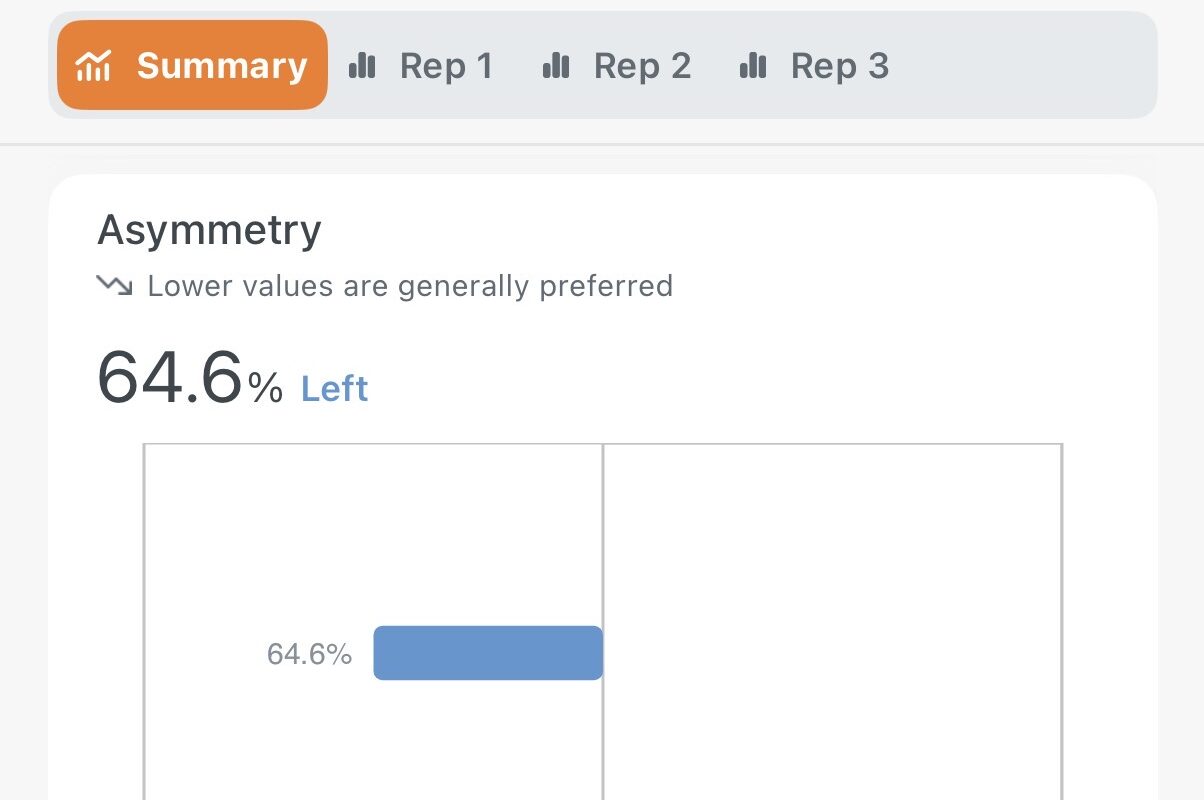
At Musculo, we use advanced performance testing technology from VALD to objectively measure strength, mobility, and asymmetries.
For example:
Someone with knee osteoarthritis may show weakness in the quadriceps, hamstrings, or calf muscles.
Someone with hip osteoarthritis may have reduced hip flexion, making it difficult to bring the knee toward the chest, or limitations in rotation that
affect walking and stairs.
Having baseline measurements helps:
Identify the true drivers of pain
Target exercise more precisely
Track improvements over time
Provide motivation and confidence
Guide progression safely
Range of motion testing is particularly valuable because improvements in movement often translate directly into better function in daily life.
Physiotherapy for osteoarthritis typically includes:
Progressive strength training
Mobility and flexibility exercises
Movement retraining
Activity modification strategies
Education about joint health and pain
Gradual progression toward functional goals
The goal is not just pain relief — it’s improving your ability to live, move, and participate in the activities you enjoy.
If osteoarthritis is limiting your walking, exercise, or daily activities, the right strength program and guidance can make a significant difference.
Book a physiotherapy appointment to assess your strength and range of motion and develop a personalised program to
help reduce joint pain and improve function.